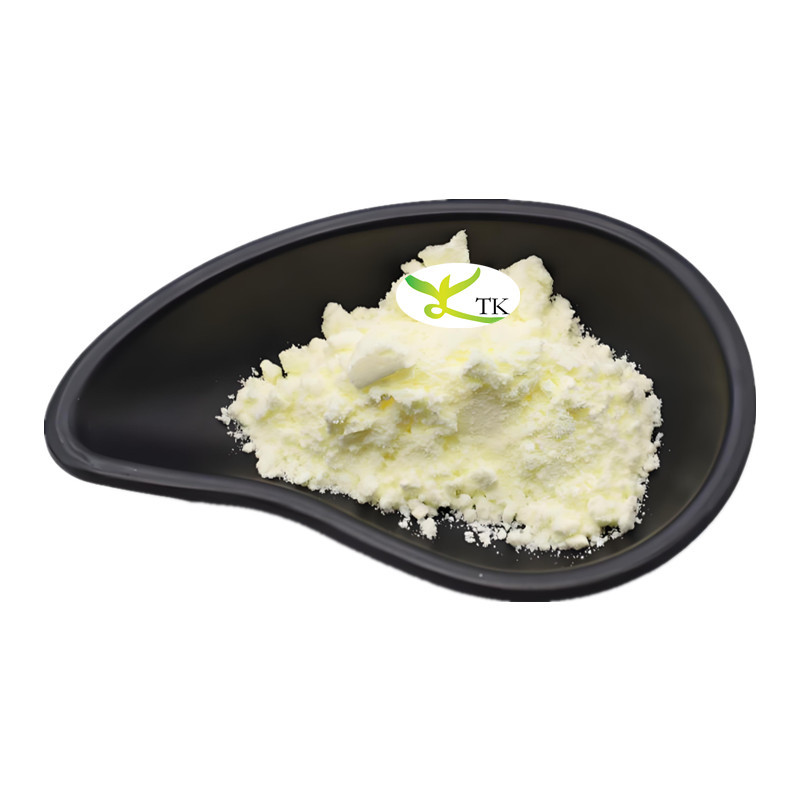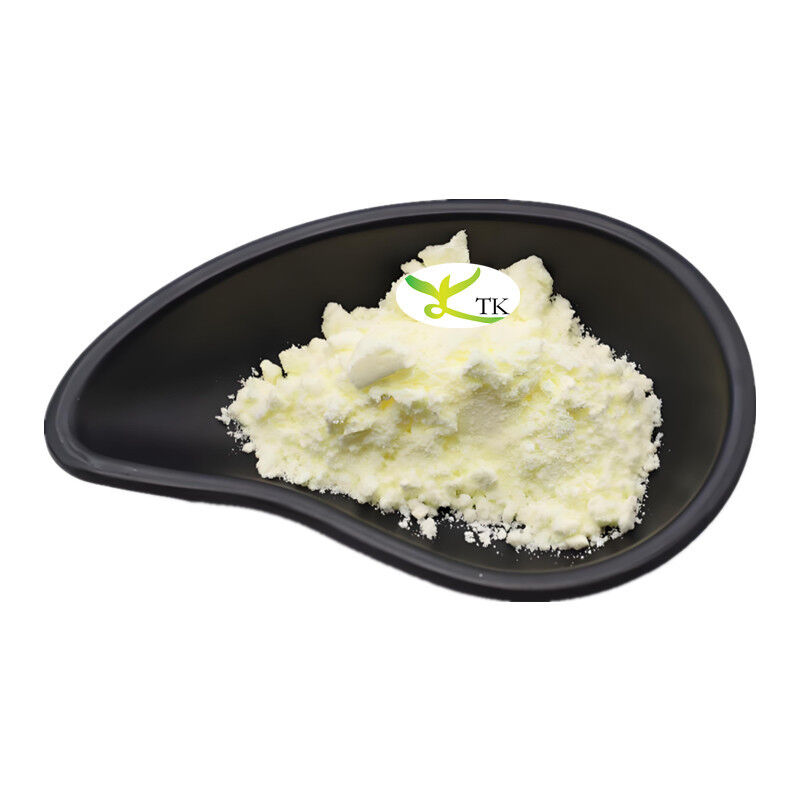
| 모습: | 황색 분말 | 사용된 부품: | 전체 |
|---|---|---|---|
| 시험: | 98% | 애플리케이션: | 의료 보충제 |
| CAS 번호: | 125-46-2 | 유통기한: | 24개월 |
Natural Plant Extract Usnea Barbata Extract Lichen Extract 98% Usnic Acid
Usnea barbata extract is derived from a fruticose (shrubby) lichen, often called "Old Man's Beard." It has a long history in traditional medicine worldwide, primarily as an antimicrobial agent, due to its high content of usnic acid—a potent secondary metabolite that can constitute 1-3% of the lichen's dry weight.
Usnea barbata extract is a potent natural antimicrobial with validated anti-inflammatory properties. Its primary active component, usnic acid, acts as a mitochondrial uncoupler.
|
Product Name:
|
Usnea Barbata Extract Powder
|
| Part Used |
Whole
|
|
Spec./Purity:
|
Usnea Acid 98% |
|
Appearance:
|
Yellow powder
|
| Grade | Food grade |
|
Shelf Life:
|
24 months
|
|
Package:
|
1kg/ Bag, 25kg/Fiber Drum
|
|
Application
|
1. Functional foods
2. Healthcare supplement 3. Medicine field
|
Key Properties and Traditional Uses
Antibacterial: Its most renowned property. Usnic acid disrupts bacterial cell membranes and inhibits mitochondrial respiration, making it effective against a range of Gram-positive bacteria like Staphylococcus aureus (including some MRSA strains) and Streptococcus pneumoniae.
Antifungal & Antiprotozoal: Shown to have activity against some pathogenic fungi and protozoa like Candida albicans and Leishmania species.
Antiviral: Some studies indicate activity against certain viruses, including influenza and herpes simplex virus (HSV).
Anti-inflammatory & Analgesic: Used topically to reduce swelling and pain in wounds, sprains, and infections.
Traditional & Modern Use:
Historically, Usnea was used across cultures (Europe, Asia, Americas) for wound dressing, treating respiratory infections (as a tincture or tea), and for gastrointestinal ailments.
Today, it's primarily found in topical applications (creams, ointments, gels) for skin infections, acne, athlete's foot, and in oral hygiene products (mouthwashes, toothpaste). Systemic (internal) use is much less common and requires caution.